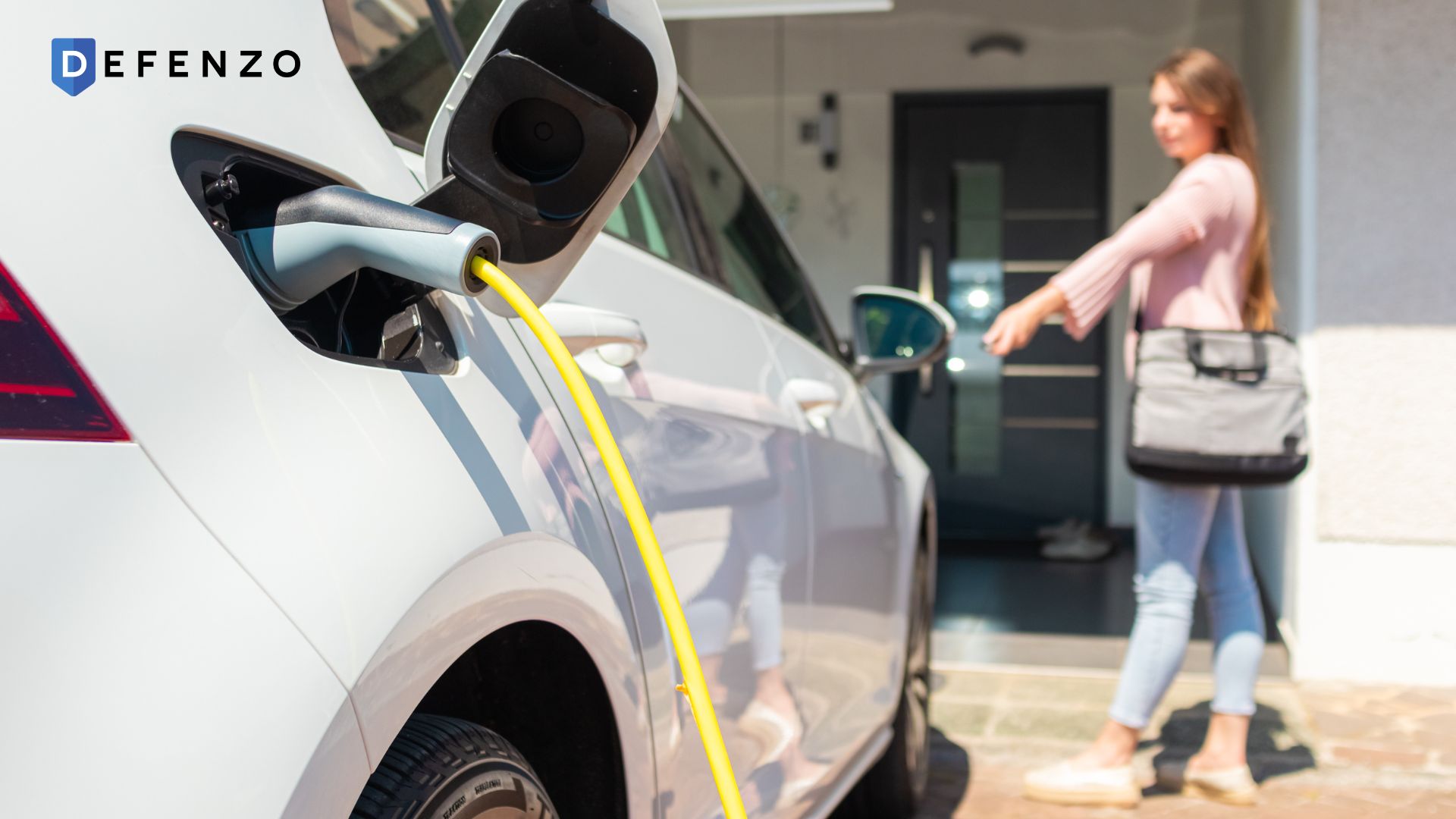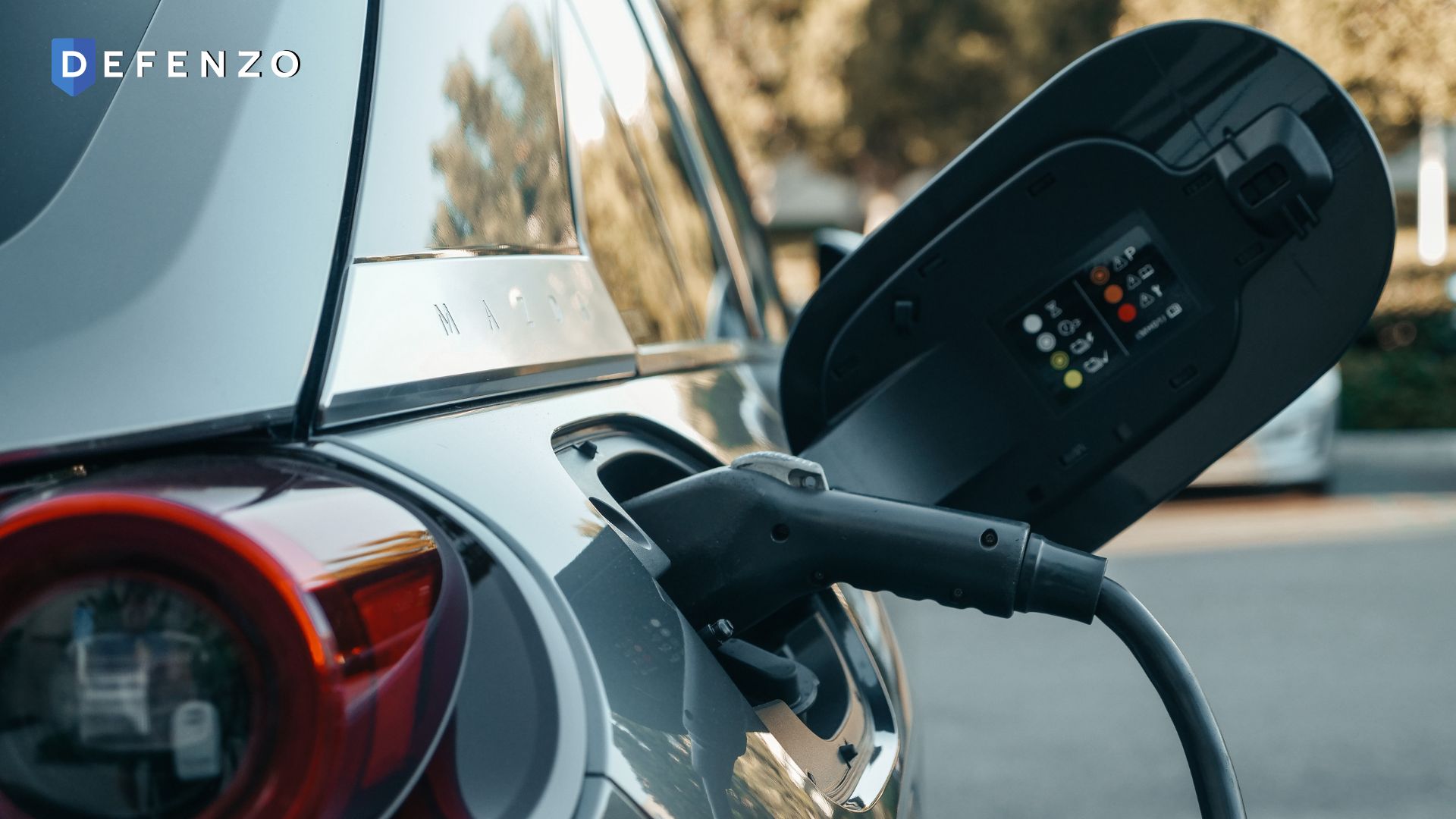
Got You your keys to your first EV and trying to figure out the whole charging deal? A quick 15-minute browse online is all it takes to get completely lost in a sea of information. Truth is, in everyday use, only three things actually matter: having your car ready to go in the morning, not tripping your main breakers, and not spending a fortune on gear you’ll never actually use.
Instead of scaring you with theory, we’ve put together the 4 most common doubts every new EV owner faces.
Will a standard wall socket do? Yes, but...
You’ll often hear: "Why do you need a charger? They give you a cable for a standard 230V socket with the car anyway." Sure, they do. And if you’re driving 20 kilometers a day to work and back, that’s totally fine.
The problem starts on Friday. You get home from work on low battery, plug the car into the wall at 6:00 PM, and on Saturday at 8:00 AM you want to head off for a weekend trip across the country. Over those 14 hours, a standard wall socket will only give you about 100-120 km of range. Suddenly, you're frantically looking for a fast charger near a supermarket. A more powerful charger at home simply means peace of mind - plug in an empty car in the evening, wake up to 100%.
The famous "tripping breakers" fear
This is probably the biggest worry for anyone whose home isn't wired like a small factory. You buy an 11 kW charger, your wife turns on the oven and the cooktop, you start the washing machine, and suddenly the whole house goes dark.
This is easily avoided. You don't need to request a huge power capacity upgrade from your utility company right away. All you need is a charger with power balancing (or simply a charger where you can dial down the current via an app or knob). This smarter setup automatically monitors how much power the house is drawing and only routes what's left over to the charger.
Wall-mounted or for the trunk?
A lot of people make this mistake: they buy a nice, expensive Wallbox, screw it to the garage wall, and call it a day. Then they visit friends, go to the cabin, or head on vacation, only to realize they're stuck because the factory charger was left at home - and the wall-mounted one obviously isn't coming along.
Consider a portable EV charger (a mobile connector). At home, you plug it into a red industrial socket (Cee) in your garage, and it charges just as fast as a fixed Wallbox (11 kW). When you go on vacation, you toss it in the trunk, grab an adapter, and you can charge anywhere.
What if it rains?
A frequent question from people just getting into EVs: "Will I get shocked charging the car in a downpour?"
Not a chance. The plug won't deliver any power until the car's computer and the charger controller literally "shake hands" and verify that everything is sealed and safe. You can charge in a snowstorm or heavy rain, and nothing will happen.
The only thing worth remembering in winter: a cold battery accepts charge slower and drains faster on those first few miles. So if your charger lets you set a schedule, set it to finish charging right before you leave for work. The battery will be warm from charging, and you'll get better range.
In short: don't let anyone convince you that you need the most expensive unit with gimmicks you'll never use. Don't overpay for unnecessary features - pick simple, solid gear that just works.